
THE PHILIPPINES FIELD GUIDE10
Go beneath the surface.
Leave time to return.
Choose an operator for your experience, protect the reef and plan the journey after the last dive.
Read the practical guide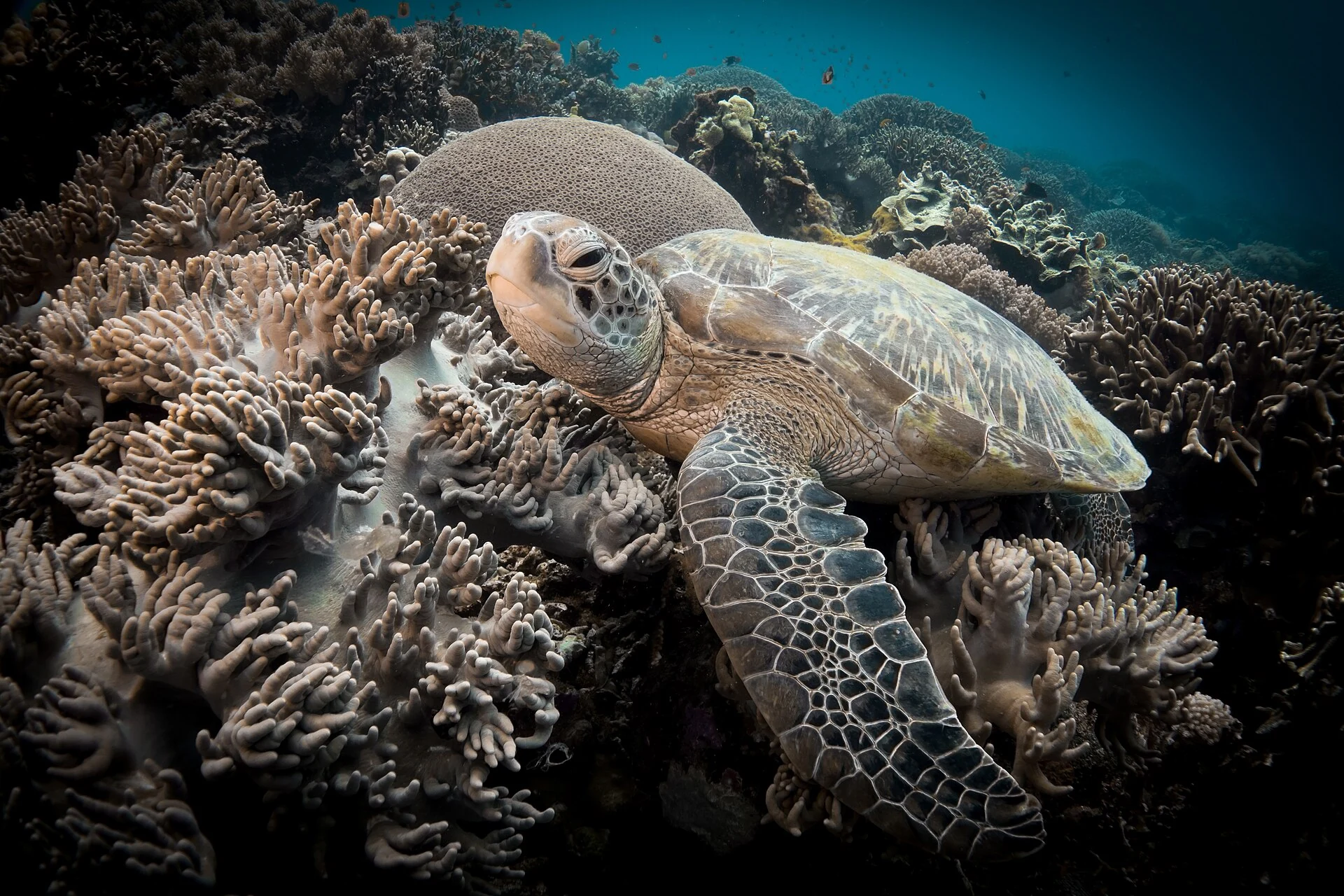
Start a dive holiday with your experience level and the kind of diving you want, then choose a base. A beautiful underwater photograph does not tell you the current, depth, overhead environment or training required. Share your certification, recent dive history and comfort level with an operator before committing to a package. Ask which sites are appropriate for you and which are only possible when conditions allow.
Start with the choices that shape your own journey. Use the sections below to make a workable plan and open the linked primary sources when you are ready to book or travel.
Researched from official authorities, operators and specialist organizations. Our sources & approach
01 / DIVING
Compare operators beyond the price
- PLAN FOR
- Sites that suit your experience
- KEEP IN MIND
- A photograph cannot show the difficulty.
Ask about guide-to-diver arrangements, equipment servicing, oxygen and emergency planning, boat access and how the team chooses sites for mixed experience levels. Discuss any relevant medical questions through the operator’s proper screening process and a qualified clinician when needed. If you have been away from diving, ask whether a refresher is sensible before joining a more demanding day.
The Green Fins directory is a useful environmental screening tool. Check the current listing and membership type; certified assessment and digital membership are not identical. The directory includes Philippine operators, including on Malapascua. Membership is a starting point for questions, not a substitute for checking professional qualifications, safety practice and whether a particular dive suits you.
02 / DIVING
Protect the reef while you look at it
- PLAN FOR
- Good buoyancy and reef care
- KEEP IN MIND
- Permits and conservation fees need checking.
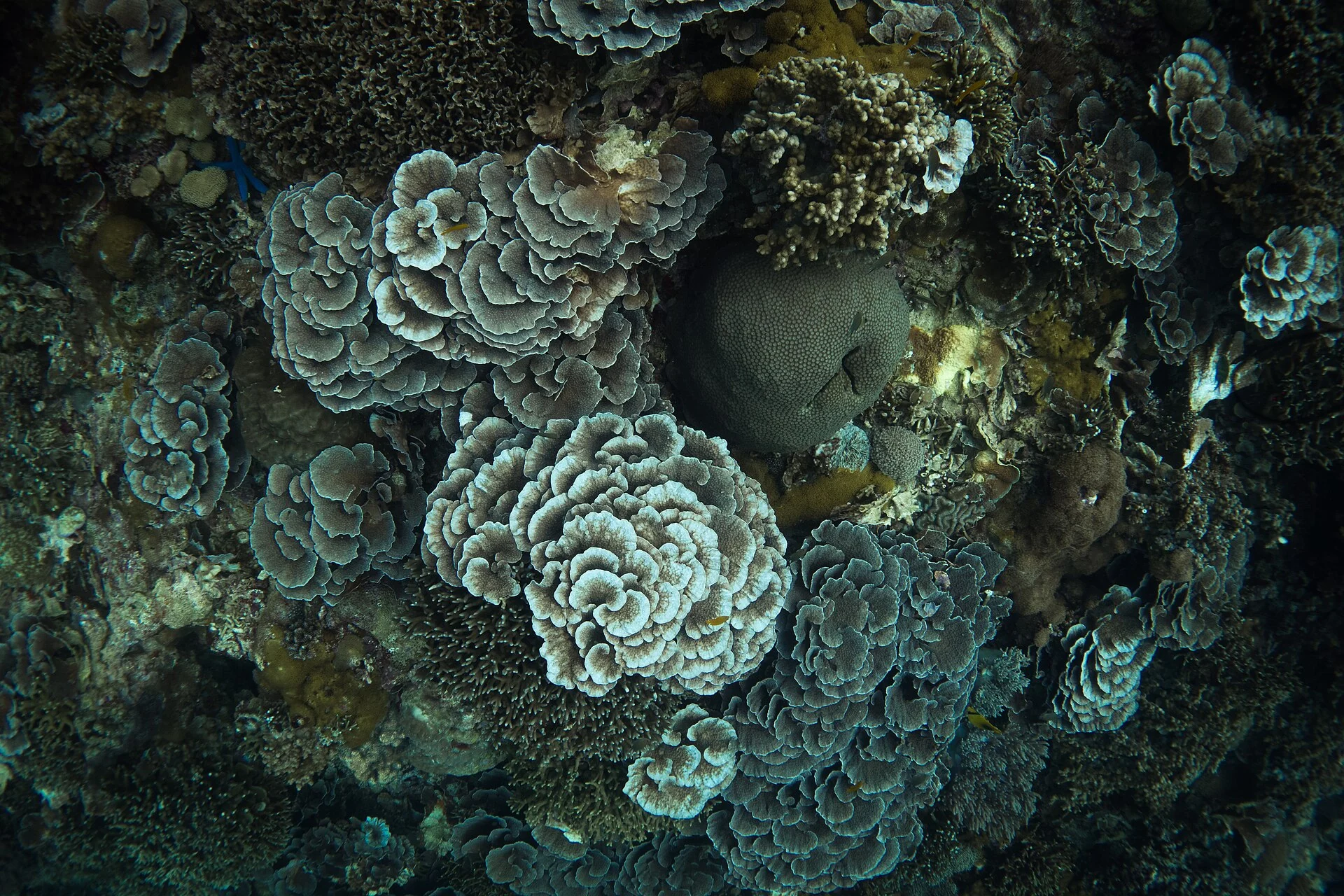
Follow the environmental briefing, practise buoyancy control and secure hoses and accessories. Keep fins off coral and avoid resting on the seabed to take photographs. Green Fins advises against feeding, chasing or touching marine life and against moving animals for a better picture. If photography makes it hard to hold your position, leave the camera behind until you are comfortable.
For a liveaboard or protected area, confirm the permits and conservation charges included in the quote. Tubbataha requires visitor entry permits and conservation fees, with separate rules for operators and activities such as drone use. Arrange the trip through an authorized operator and check the management office’s current requirements. Do not assume a general travel booking grants access to every site.
03 / DIVING
Plan what follows the last dive
- PLAN FOR
- Time after your last dive
- KEEP IN MIND
- Minimum guidance is not personal medical clearance.
Tell the operator your flight time before planning the final dive day. DAN publishes minimum preflight surface intervals for asymptomatic recreational divers: at least 12 hours after a single no-decompression dive and at least 18 hours after repetitive or multiday no-decompression diving. Different profiles need different advice, and longer intervals reduce risk; these figures are not a personal clearance to fly.
Leave a generous non-diving interval in the itinerary and discuss any mountain or altitude travel as well. If symptoms could indicate decompression illness, seek medical advice and do not fly. Keep your diving insurance details and the operator’s emergency plan accessible.
Use the final day for an activity compatible with your dive plan rather than trying to squeeze in one more tank. A trip with appropriate rest, honest ability matching and room for weather changes is easier to enjoy than one built around the maximum advertised dive count.
THE LITTLE THINGS YOU MIGHT BE WONDERING
Before you decide.
Does every advertised dive suit a new diver?
No. Site depth, conditions and environment must fit your training and experience.
Are the minimum flying intervals a personal clearance?
No. They are contextual guidance for asymptomatic divers. Different profiles and any symptoms need appropriate advice.
GOOD FINDS. YOUR DIARY.
Not planning yet?
Keep the idea.
Save this guide to your favourites. It stays an idea—not an automatic plan in your trip.
The detail behind the guide.
Original research-led editorial guidance. Planning suggestions are not live quotes, guaranteed connections or first-hand travel testimony. Sources checked on 5 November 2026. Dates, access, entry requirements and services can change; follow the responsible authority or operator for your circumstances.
Sources & fact-checking
- Green Fins member directory Green Fins / The Reef-World Foundation. Checked 5 November 2026; use current guidance for your trip.
- Environmental best practice for divers Green Fins / The Reef-World Foundation. Checked 5 November 2026; use current guidance for your trip.
- Tubbataha permits and fees Tubbataha Management Office. Checked 5 November 2026; use current guidance for your trip.
- Flying after diving Divers Alert Network. Checked 5 November 2026; use current guidance for your trip.
Keep enough flexibility for the route you choose, and recheck the details that affect your travel. Photographs are credited archive images; they do not show live conditions. Images may be resized, converted to WebP and cropped for this layout. CC BY-SA photographs and their displayed crops remain under their credited licences.